Introduction
Photogenic lighting is no longer an optional aesthetic flourish for cafés, bars and boutique hotels — it is a commercial requirement. Architects and hotel designers are under increasing pressure to specify lighting schemes that perform architecturally, meet stringent technical and regulatory requirements, and produce the kinds of visual moments that drive social shares and reservations. That creates a complex brief: deliver high quality, camera-friendly lighting that aligns with brand identity, keeps lead times predictable, and arrives with the certification and documentation required by procurement and facilities teams.
This article translates Instagrammable design goals into actionable, specification-ready guidance. It focuses on the practical pain points buyers raise most often — product quality, lead time, certification and compliance, and current design trends — and offers technical detail you can take straight to project meetings and RFQs.
Key Industry Insight: Designing Instagrammable Lighting for Cafés & Bars
Instagrammable lighting succeeds when it is both intentional and reliable. For commercial projects that must balance ambience with operational constraints, there are four core priorities:
- Visual performance: color rendering, color temperature, and dynamic range that flatter faces and food while remaining consistent across fixtures.
- Architectural integration: fixtures and optics that enhance the space without creating glare, hot spots, or maintenance issues.
- Operational reliability: specification-grade components, thermal management, and warranties that reduce downtime for operators.
- Procurement clarity: realistic lead times, clear documentation (LM-79/LM-80/TM-21, CE/UL), and a plan for spare parts and servicing.
Design trends shaping Instagrammable hospitality lighting in 2026:
- Layered lighting with dramatic accents: pendant clusters, linear wall grazes, and concealed LED washes to create depth.
- Tunable white and controlled color accents: warm base white for human comfort with saturated color accents for branded photo moments.
- Integrated lighting features: backlit bar shelves, illuminated banquette coves, and programmable feature walls.
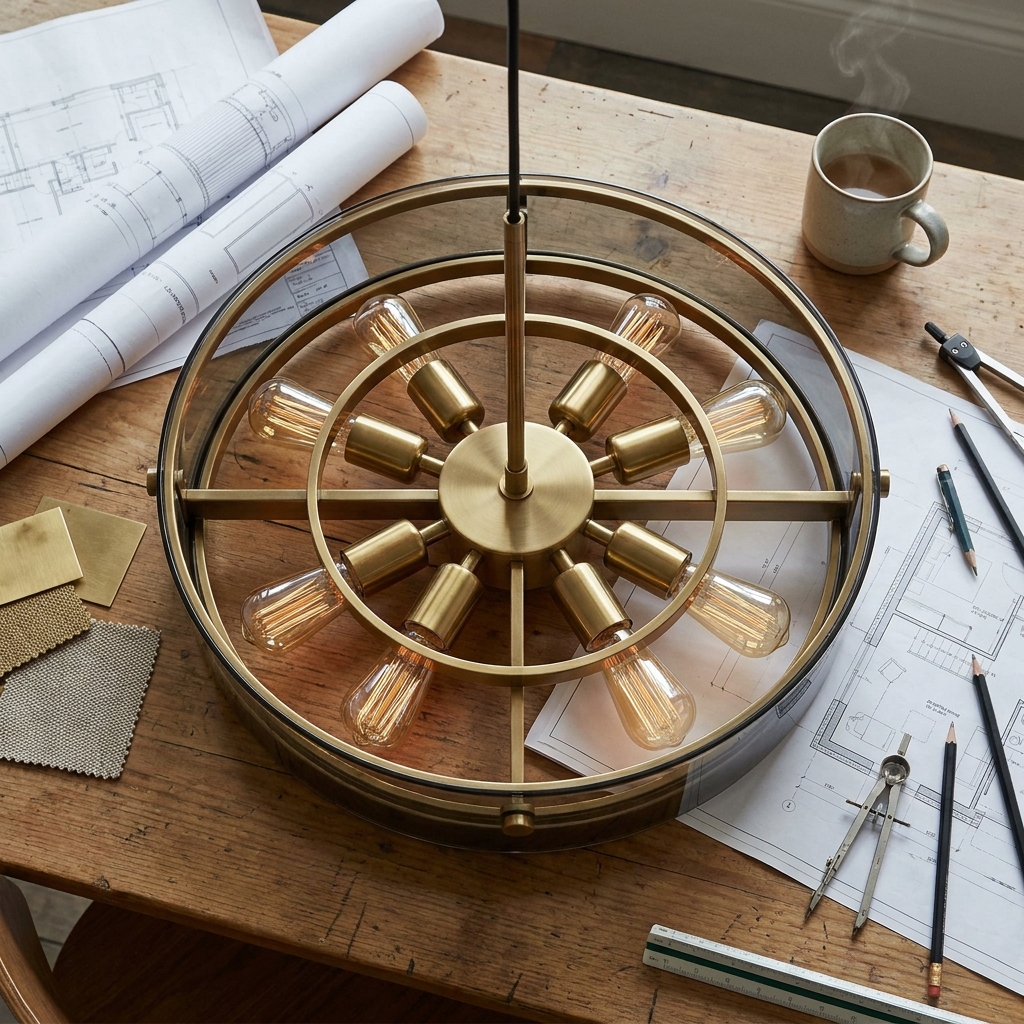
- Material sensitivity: finishes and luminaire materials chosen to photograph well (brushed metals, matte blacks, smoked glass) and resist wear.
Practical approach for architects and hotel designers:
- Define the “photo moments” — bar back, feature wall, banquettes — and prioritize technical performance there.
- Choose fixtures with consistent chromaticity and high color fidelity (CRI 90+, TM-30 guidance) for areas with people and food.
- Specify controls and commissioning scope early: who will program scenes? When will DALI/DMX commissioning occur relative to FF&E installation?
- Lock in lead-time assumptions for the client and build contingency into the schedule for custom finishes or specials.
Technical Detail: Specifications, Certifications, and Lead Time Considerations
To translate an Instagrammable vision into a procurement-ready specification, include the following technical items in your documents.
Color fidelity and spectrum
- CRI: Minimum CRI 90 in front-of-house spaces where skin tones and food appearance matter. For premium hospitality installations opt for CRI 95 in display zones.
- TM-30: Use Rf/Rg values to ensure accurate color appearance across materials and skin tones; specify a minimum Rf and acceptable Rg range where necessary.
- Spectral quality: Avoid narrow-band LED solutions for general illumination; ensure a full-spectrum LED with smooth spectral power distribution to reduce metamerism in photography.
Color temperature and control
- Tunable white ranges (2700K–3500K common) allow designers to optimize for mood and photo fidelity. Create scene presets: Day (3000K, higher lux), Evening (2700K, lower lux), Social (warmer with accent saturation).
- Color accents: Use low-power saturated RGB or phosphor-converted LEDs for art/feature lighting; ensure they don’t dominate skin tones.
Optics, glare and beam control
- Beam angles: Use narrow beams (10°–24°) for accenting feature elements and wider beams (40°–60°) for general ambient wash. Specify field angle and cutoff angle to prevent glare and sharp falloff in photos.
- Anti-glare design: Recessed trim, baffles, and honeycomb optics reduce lens flare and reflections that degrade images.
Controls, dimming and flicker
- Dimming compatibility: Specify drivers compatible with your control protocol (DALI-2, DMX, 1–10V). Confirm flicker <10% @ 100 Hz or better, ideally modulated by IEC 61547/EN 61000 guidelines.
- Scene control and commissioning: Define the scope for control commissioning in the contract—who programs scenes, and who performs acceptance testing against photo references.
Certifications and documentation
- Photometric data: LM-79 reports for fixtures and IES files for layout modeling.
- Lifetime data: LM-80 and TM-21 projections for lumen depreciation; specify L70 or L80 at expected ambient temperatures.
- Safety and compliance: CE/UKCA, UL/ETL or local equivalents, IP and IK ratings as required for wet/robust zones (IP44+ for bar areas near sinks).
- Environmental compliance: RoHS, REACH, and any sustainability documentation the client requires (EPDs, recyclability).
Manufacturing, MOQ and lead time planning
- Standard lead times: Off-the-shelf architectural products commonly ship in 4–8 weeks; many architects should assume 6–10 weeks to account for finishes and logistics.
- Custom or finished fixtures: Custom finishes, lens assemblies or non-standard color temperatures add 6–12 weeks depending on complexity and tooling.
- Minimum order quantities (MOQs) and spares: Specify spares (typically 1–3% of installed fixtures) and clarify MOQ conditions up front with manufacturers to avoid procurement delays.
- Logistics and staging: Coordinate delivery windows with site access, storage conditions (avoid high-humidity holding areas), and final installation sequencing.
Maintenance and serviceability
- Replaceable components: Prefer fixtures with field-replaceable drivers and LED modules to simplify maintenance.
- Warranty: Commercial warranty of 5 years is a baseline for hospitality projects; extended warranties or service contracts can be negotiated where uptime is critical.
- Spare parts and stock: Include a parts-list and expected availability window for replacement modules in the handover package.
Designing for Photography (practical tips)
- Avoid mixed CRI and CCT in adjacent fixtures; photographers notice color casts immediately.
- Place accent fixtures out of direct camera sightlines to reduce lens flare; use indirect or diffused sources to create soft, flattering light.
- Use layered control scenes so staff can quickly select pre-sets optimized for evening service and for social-media activations.
- Test scenes with a range of smartphone cameras during commissioning — phone cameras have different white balance and dynamic range; what looks good to the eye may photograph poorly.
“Successful hospitality lighting balances artistry with engineering: specify proven photometric performance and clear commissioning scope so design intent survives procurement and installation.”
Conclusion
Instagrammable lighting for cafés and bars is achievable at scale when architects and hotel designers translate ambition into precise technical requirements. Prioritize color fidelity, optics and glare control, controls and commissioning, and insist on full photometric documentation and relevant certifications. Anticipate realistic lead times for custom finishes and lock in spare-part strategies and warranties to protect operations.
If you are preparing an RFQ or design brief and want specification templates, photometric comparisons, or guidance on control integration, contact the Artilumen team. We partner with design professionals to provide specification-grade fixtures, photometric data, and commissioning support that ensures your Instagrammable moments are repeatable, reliable, and serviceable over the life of the project.