
Introduction
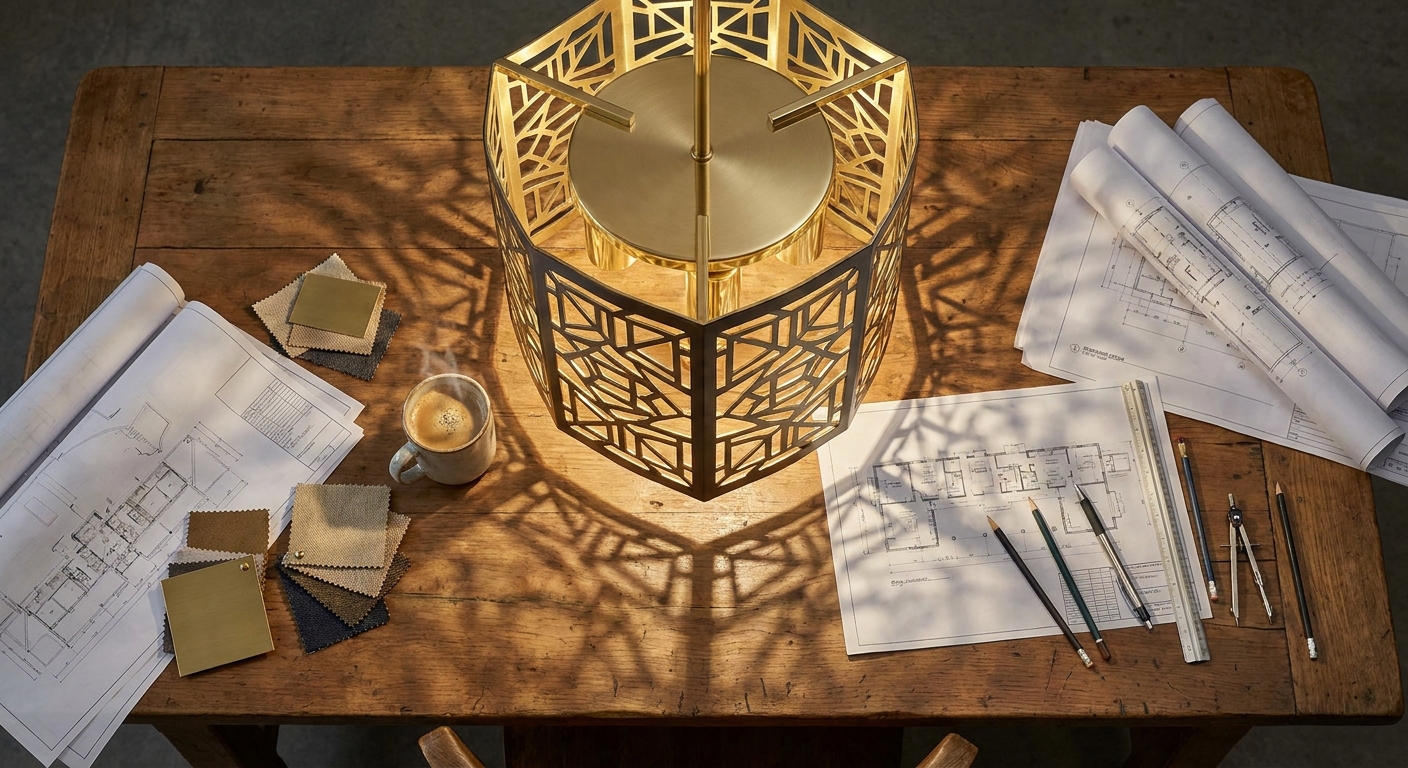
Shadow is not a defect to be eliminated—it’s a material. For architects, hotel designers, and soft-furnishings specialists, deliberate use of fixtures to sculpt shadow is a high-value design tool: it amplifies texture, defines circulation, reinforces brand narratives, and modulates guest experience. But in commercial projects the creative potential of shadow collides with practical constraints: quality expectations, lead times, certification, maintainability, and budget.
This article translates design intent into procurement-ready guidance. It outlines how to compose with shadow at scale, what technical decisions drive predictable results, and how to manage B2B pain points—so your team can specify lighting that delivers both aesthetic impact and operational confidence.
Key Industry Insight
Lighting shadows are purposeful contrast: they reveal form and suggest hierarchy. In hospitality, they are used to:
- Accent materiality (fabric folds, stone veining, wood grain).
- Carve circulation routes and thresholds with low-level linear lighting and sconces.
- Stage art and focal points through silhouetting and controlled grazing.
- Generate ambiance without raising luminance levels that compromise sleep or privacy.
Adopting shadow as a primary design element requires an integrated approach—fixture optics, mounting geometry, control strategy, and maintenance logistics must be aligned early in design development to avoid costly revisions during FF&E or construction phases.
Technical Detail
Optics and beam control
- Beam angle: Narrow beams (6°–24°) produce hard-edged shadows and strong silhouettes; medium beams (24°–40°) soften edges; wide beams (>40°) reduce shadow definition. Specify optics to match the desired shadow crispness.
- Lenses and reflectors: Multi-element lenses and precision reflectors stabilize beam distribution and reduce spill. For patterned shadows (perforated panels or gobos), choose fixtures with replaceable optical accessories.
- Baffles and louvers: Use deep baffles and honeycomb louvers to prevent uncontrolled spill and glare while preserving intended shadow geometry.
Mounting and placement
- Offset distances: The distance between fixture and target controls shadow scale. Close placement accentuates texture; increased distance flattens relief.
- Height relationships: Low-level uplights create elongated shadows along walls; downlights carve form and create depth on vertical surfaces when positioned at an angle.
- Cross-lighting: Two opposing light sources produce balanced shadowing that emphasizes volume without excessive darkness—useful in corridors and large lobbies.
Color and spectral considerations
- CCT and shadow warmth: Warmer color temperatures (2700–3000K) produce softer, more intimate shadows that flatter hospitality textiles. Cooler temperatures (3500–4000K) increase perceived contrast and crispness.
- Color rendering: High CRI (90+) and advanced metrics like TM-30 are essential when shadows are used to reveal materials. Lower CRI can render textures flat or distort brand colors.
- LED binning and consistency: Specify tight binning tolerances to avoid visible temperature shifts across multiple fixtures that would break a shadow composition.
Controls and dynamic shadowing
- Dimming curves: Choose drivers with smooth, low-end dimming (1%–5%) for subtle modulation of shadow depth as scenes change.
- Addressable controls: DALI-2, ACNS, DMX, or Bluetooth mesh allow scene-based shadow manipulation—important for public areas that transition from daytime brightness to evening intimacy.
- Integration with lighting design intent documents (LIDs): Create documented scenes with control presets to ensure the as-built shadow relationships match mockups.
Materials and fixture finish
- Fixture finish reflectance: Matte black finishes minimize stray reflections and keep shadows crisp. Polished finishes can introduce unwanted secondary highlights.
- Housing depth and thermal management: Proper thermal design preserves lumen output and color stability over lifetime; LM-80 and TM-21 metrics should be required in procurement.
Quality, Certification, and Testing
Architects and procurement teams must treat performance verification as non-negotiable. Key tests and certifications:
- LM-79 (photometric): Measures absolute photometric data—deliverable for all specified fixtures.
- LM-80 + TM-21 (LED lumen maintenance): Predicts long-term lumen retention; request L70 or L90 projections relevant to the application and maintenance strategy.
- Safety and compliance: CE, UL, ETL, ENEC as applicable by market; IP ratings (IP20–IP65) depending on location (bathrooms, exterior canopies).
- Environmental and material standards: RoHS, REACH; flame retardancy ratings for soft-furnishings adjacency; ensure luminaires near fabrics meet fire-safety codes.
- Electromagnetic compatibility (EMC) and driver certifications: Reduce interference with control systems and AV equipment in sensitive hotel spaces.
B2B Pain Points: Lead Time, Quality Assurance, and Customization
Lead time management
- Early specification: Shadow-based designs are geometry-dependent—lock-in fixture families and control platforms by DD (Design Development) stage to avoid long lead-time customisations during FF&E.
- Long-lead items: Custom optics, engineered perforated luminaires, and integrated furniture lighting often carry 12–20 week lead times. Build contingency into schedules and negotiate milestone deliveries.
- Samples and mockups: Pre-construction mockups of key shadow effects are essential. Aim for mockup approvals 8–12 weeks before mass production.
Quality control and warranties
- Factory acceptance tests (FAT): Require FAT and third-party photometric verification for critical items that shape public-facing spaces.
- On-site acceptance tests (SAT): Include field photometric checks and mockups in contract SOWs to verify installed beam placement and shadow quality.
- Warranties: Seek extended warranties (5–7 years) and clear maintenance plans for LEDs and drivers; ensure spare parts and accessory availability post-install.
Customization vs. Standardization
- MOQ and prototyping: Custom perforated panels, stamped reflectors, or branded gobo templates may introduce minimum order quantities. Explore modular accessories that allow on-site adjustments without full custom runs.
- Design for maintainability: Select fixtures with accessible optics and serviceable drivers to preserve shadow performance through maintenance cycles.
Practical Design Strategies and Spec Checklist
- Start with a lighting study: Photometric and ray-tracing models (IES files) at DD stage to predict shadow outcomes across daylight conditions.
- Specify tolerances: CCT binning, CRI/TM-30 targets, and lumen outputs with tolerances (±5%) to avoid visual inconsistencies.
- Prioritize controllability: DALI-2 or equivalent for scene-based shadow management; include emergency lighting integration that won’t disrupt shadow scenes.
- Select finishes intentionally: Matte interior finishes for minimal reflection; coordinate fixture finish with adjacent materials to avoid visual dissonance.
- Documentation: Include installation tolerances (offsets, aiming angles) in construction drawings and installer checklists.
“In hospitality design, shadow is a material as expressive as wood or fabric—effective use requires early coordination between design intent and technical specification to ensure repeatable, serviceable results.”
Conclusion
Shadows shape perception. For architects and hotel designers, exploiting shadow strategically can transform guest experience, elevate materials, and reinforce brand narratives—provided the technical and procurement realities are addressed proactively. Key takeaways: specify optics and control early, require rigorous photometric verification and certifications, build lead time buffers for customized components, and plan for maintainability.
If you’re preparing a DD package or FF&E list and need photometric files, mockup coordination, or a compliance review, contact the Artilumen team. We partner with architects and hotel brands to translate shadow-driven concepts into reliable, certifiable lighting solutions that deliver consistent outcomes on time and on budget.